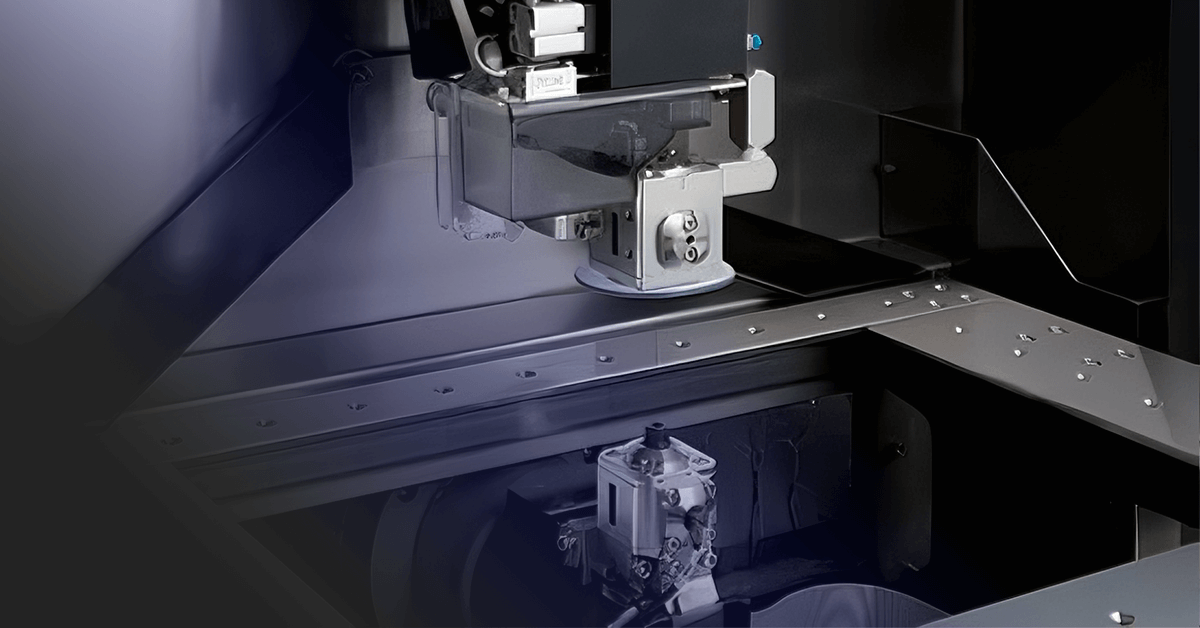
Savunma sektöründe CNC teknolojisi

CNC for Defence Sector

The defence sector is a field in constant need of innovation with high security requirements, complex designs and superior performance expectations. In order to meet these challenging demands, it is important to use technology at the most advanced level. CNC (Computer Numerical Control) machines have revolutionised production processes in this field and play a critical role in the defence industry. CNC machines provide excellent solutions for the defence industry by providing high precision, efficiency and repeatability. CNC Teknolojisinin Endüstrideki Önemi hakkında daha fazla bilgi edinin.

Place and Importance of CNC Technology in Defence Sector

CNC machines are technologies that work with a computer-controlled system, enabling the production of parts with high accuracy. The defence sector is always in need of stronger, more durable and precise components. At this point, CNC technology not only ensures the production of high quality parts, but also contributes to faster and more efficient production processes. Especially in areas such as precision parts in the defence industry, weapon systems, aircraft, armoured vehicles and electronic devices, CNC machines perform critical tasks by producing accurate dimensions and high durability. For more details, you can take a look at our article on Production in Defence Industry with CNC.

Precision and Efficiency Provided by CNC Machines in Defence Industry

The defence industry constantly aims to ensure the highest standards of quality and safety. CNC machines optimally meet these requirements, ensuring that parts are produced with the same high accuracy every time. The precision and efficiency provided by these machines are particularly CNC Üretim Süreçleri ile yakından ilişkilidir.

CNC Machining of Difficult Materials in the Defence Industry

The materials used in the defence sector are often extremely strong and durable. High-strength materials such as armour steel, titanium, nickel alloys and composite materials can be extremely difficult and time-consuming to machine. However, CNC machines are capable of machining such challenging materials with precision. You can examine the details of these processes in our article titled Difficult Materials and CNC Technology.

CNC Applications in Defence Sector: Quality and Safety Standards

Every part produced in the defence industry must comply with high quality standards and safety requirements. CNC machines ensure perfect results by adhering to every detail of the design. For the integration of quality control processes during production and more, you can take a look at our Quality Control and CNC article.
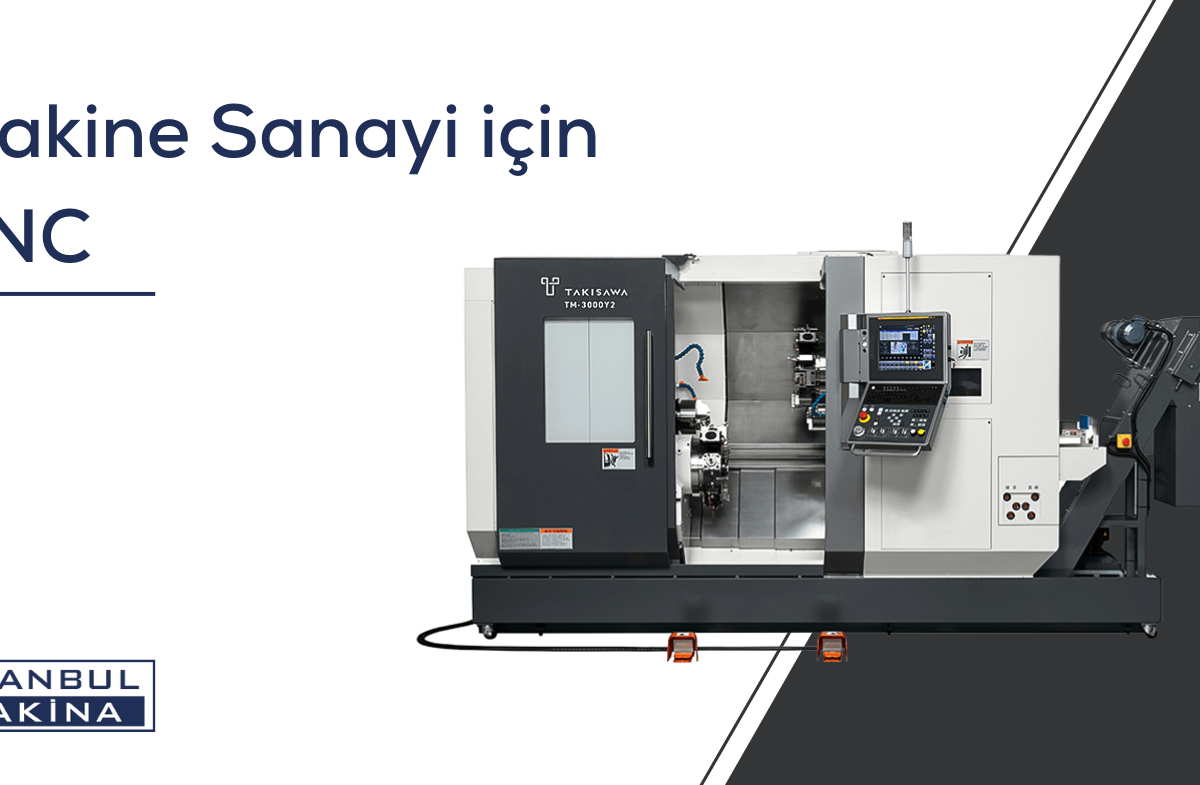
CNC for Machine Industry

The machinery industry is one of the most important sectors of the industry and constantly aims for high productivity and quality. Technology and innovation play a major role in achieving these goals. In recent years, CNC machinesrevolutionised the machinery industry and reshaped production processes. CNC machines, precision, speed and flexibility With such advantages, it greatly increases the productivity in the sector.

CNC machinesoffers a much faster and error-free production process than traditional manual machining methods. These machines can perform complex and detailed operations automatically, controlled by specific software. This reduces labour costs, to improve the quality of products allows Especially when it comes to the production of complex parts in the machinery industry, CNC machines enable both faster and more precise results.

The impact of CNC machines in the machinery industry is not only limited to productivity; it also opens the doors of innovation. Especially in today's world where the demand for customised products is increasing, CNC machines offer flexibility to manufacturers, allowing different designs to be produced easily. Thanks to the flexibility offered by this technology, the machinery industry adapts faster and increases its competitiveness in the global market.

CNC machines are an important tool that increases quality, shortens production times and reduces costs in the machinery industry. Companies that adopt this technology gain a stronger position both in the domestic market and in the international arena.

The Role and Importance of CNC Technology in Machinery Industry

CNC (Computer Numerical Control) technology has revolutionised the machinery industry and reshaped production processes. Compared to traditional manual machining methods, CNC machines offer significant advantages such as precision, speed, efficiency and flexibility in production. The role of this technology in the machinery industry is clearly felt at every level in the sector.

Firstly, CNC machines can perform complex and precise operations with high accuracy. Automatic control systems the error rate in part production is greatly reduced. This results in better quality and error-free products. Especially as the complexity of part design increases, the role of CNC machines becomes more important. Because these machines, freedom and innovation in design This allows manufacturers to produce more complex and unique parts.

Another important role of CNC technology is to increase production speed. Compared to manual processing methods, CNC machines work much faster and produce more products with less labour. This means that businesses while increasing productivityreduces production costs. At the same time, the automation of production processes minimises human errors and ensures more continuous quality control.

Productivity Increase Provided by CNC in Machinery Industry Production

CNC technology is a revolution that has significantly increased productivity in machine industrial production. Compared to traditional manual machining methods, CNC machines offer automatic and continuous operation, increasing production speed and accuracy. These machines perform machining processes faster and with high precision, so more products can be produced while reducing labour costs. Thanks to the automatic control features of CNC systems, human error is minimised during part production and the same high quality standards are achieved every time.

In addition, because CNC machines are programmable, multiple part designs are easier to machine, providing production flexibility. Especially in low-volume production, manufacturers can quickly adapt to new designs, making it possible to respond more quickly to customers' special requests. This rapid adaptation reduces production times, while also helping to reduce inventory costs.

High Precision Production Processes with CNC Machines

CNC machines play a critical role in the realisation of high precision manufacturing processes for the machinery industry. Providing much higher accuracy and repeatability than conventional machining methods, these machines are capable of precision manufacturing down to micro millimetre tolerances. This feature offers a great advantage, especially in the production of parts with complex geometries and in industries where high quality standards are required.

The computer numerically controlled systems of CNC machines allow full control and regulation at every stage. This minimises operator errors and allows to achieve the same perfect result for every part production. At the same time, CNC machines perform operations such as cutting, milling, drilling at high speed and with sharp accuracy, reducing production time, while the quality standards of the products are not compromised.

cnc torna tezgahlarında robot otomasyonun önemi

The Importance of Automation in CNC Lathes and Its Effects on Production Process

What is Automation in CNC Lathe Machines?

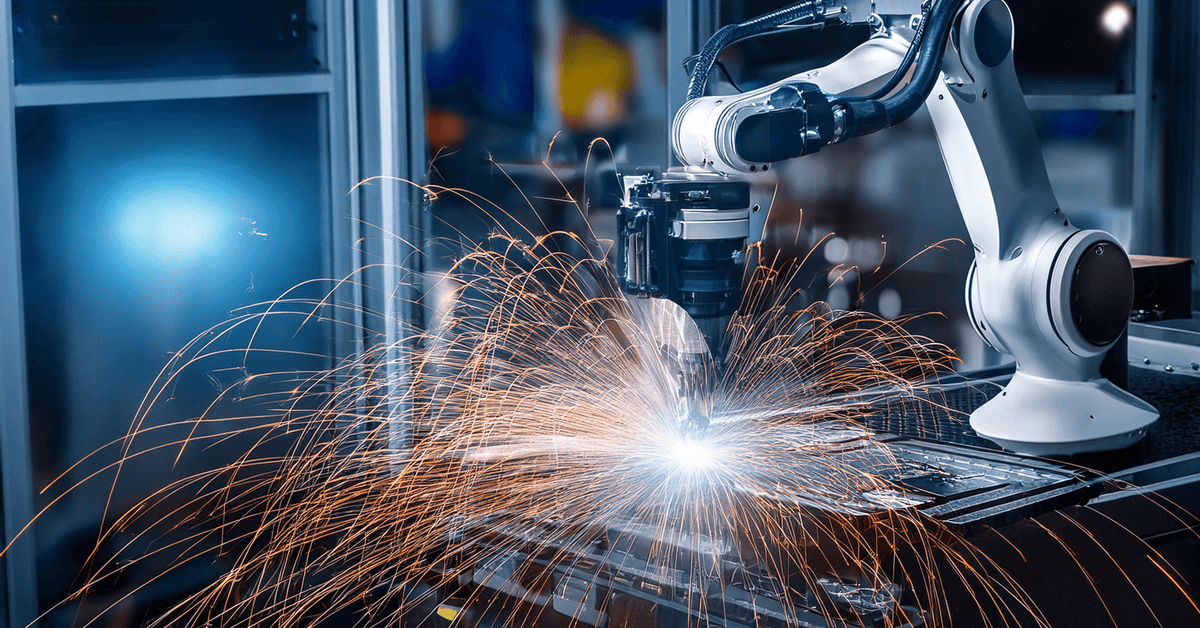
Automation in CNC (Computer Numerical Control) lathes minimises human intervention in the production process and enables the machine to operate with the help of a programmed algorithm or robotic systems. In this process, the lathe produces the specified parts by processing the material in accordance with the instructions predetermined by the operator. Thanks to automation, it becomes possible for lathes to operate faster, more efficiently and error-free.

Advantages of Automation for CNC Lathes

  1. Increased Productivity: Automation ensures production continuity by enabling continuous and uninterrupted operation of business processes. In this way, more parts can be produced in a shorter time.
  2. Precision and Repeatability: Automated systems minimise human error and maintain the same precision in every production cycle. This is especially important in the production of parts with complex geometries.
  3. Cost Savings: Automation reduces labour costs, while at the same time minimising waste of raw materials and lowering overall production costs.
  4. Safer Working Environment: Automation in CNC machines allows operators to stay away from dangerous areas. Thus, work accidents are reduced and work safety is ensured.

Effects of Automation on Production Process in CNC Lathes

Automation offers great benefits in terms of both time and quality in production processes. Faster and more repeatable operations help production lines to be completed in a shorter time. At the same time, automatic control minimises quality deviations and reduces the number of defective products. As a result, customer satisfaction and production capacity increase.

Industry 4.0 and Automation in CNC Lathes

The Industry 4.0 revolution allows CNC lathes to take automation to a higher level. Smart factories, IoT (internet of things) and data analytics increase the interaction between machines. Thus, machines can optimise themselves, predict maintenance processes and offer a more integrated production process. With Industry 4.0, CNC machines maximise productivity by gaining real-time data collection and analysis capability.

Contributions of Automation to CNC Operators and Manufacturing Process

CNC operators have less physical workload with automation, while dealing with more strategic tasks such as monitoring and programming machines. This allows operators to improve their technical knowledge and skills. In addition, the speed and accuracy offered by automation helps operators realise more production without errors.

Industrial Application Areas of Automation in CNC Lathe Machines

Automation in CNC lathes is widely used in many sectors such as automotive, aerospace, defence industry, medical device production. Especially in the production of parts requiring high precision, the accuracy and reliability provided by automation offer great advantages. In addition, it becomes an indispensable part of the industry with its speed and cost advantages in mass production processes.

tel erozyon tezgahı ile yüksek hassasiyetli kesim

High Precision Cutting with Wire EDM Machines - Advantages and Application Areas’

Tel Erozyon Tezgahları Nedir?

Wire EDM machines are one of the precision machines that perform metal processing by electrical discharge machining (EDM - Electric Discharge Machining). These machines break microscopic particles from the metal surface by generating an electrical discharge. Conductive materials are processed by means of a thin wire. In wire EDM, the cut is made by continuously feeding a very fine wire (usually brass or molybdenum) through a coil and moving it towards the part, generating electrical discharges in the process.

1. Tel Erozyon Kesim Yönteminin Avantajları

  • High Sensitivity: Wire erosion offers high precision at the micron level. It is therefore preferred for mould production, gears and cutting parts with complex geometries.
  • Insensitive to Material Hardness: It can be used even on very hard materials (such as hardened steels, titanium, carbide), which is an advantage in areas where other cutting methods are difficult.
  • Low Mechanical Stress: Since there is no direct physical contact with the material during the cutting process, no mechanical stress is generated on the machined part, which reduces the risk of deformation.
  • Fine and Complex Cuts: Wire EDM is capable of extremely fine and complex cuts. This makes it the ideal solution for thin profiles, complex shapes and tight tolerances.

2. Tel Erozyon Tezgahları ile Kesim Uygulama Alanları

  • Mould Production: It is widely used in production requiring high precision and complex geometry such as plastic injection moulds, casting moulds, metal forming moulds.
  • Automotive Industry: Ideal for the production of gears, engine parts and precision mechanical components.
  • Medical Devices: Wire EDM is used in the production of precision medical devices and implants.
  • Aviation and Defence Industry: It is preferred for cutting difficult-to-machine materials such as titanium and high temperature resistant super alloys.
  • Electronic Components: Wire EDM can be used in the production of semiconductor moulds.

3. Tel Erozyon ile Farklı Kesim Yöntemlerine Göre Üstünlükleri

  • Contactless Cutting: Since there is no physical contact, there is no deformation due to abrasion or mechanical stress.
  • Thermal Effect Minimum: Compared to other cutting methods, there is less thermal effect on the material, which ensures that the structure of the material is preserved.
  • Difficult Machinable Materials: It is more effective than other cutting methods for machining hardened or alloyed materials.
  • Cutting Speed and Accuracy: When working with high precision and tight tolerances, it ensures minimum material loss and chip removal.

4. Endüstriyel Kullanımda Ekonomik Faydalar

  • Low Material Wastage: Material waste is minimised thanks to high-precision cutting.
  • Long Life Cutting Wire: The cutting wires used can last for a long time, which reduces production costs.
  • Reduction in Human Resource Requirement: Thanks to CNC-based automation, human intervention is minimal, which reduces labour costs.
  • No Extra Processing Required for Complex Parts: There is no need for extra finishing of the cut parts, which reduces costs.

5. Tel Erozyon Kesiminde Dikkat Edilmesi Gereken Faktörler

  • Material Quality and Conductivity: It is important to work with high quality, homogeneous and conductive materials.
  • Wire Thickness and Tension: The correct selection of the appropriate wire diameter and tension directly affects precision and surface quality.
  • Dielectric Liquid Quality: The dielectric fluid used (usually water-based) must not be contaminated and must be kept clean.
  • Correct Programming and Setting: Correct programming of the CNC machine affects cutting accuracy and speed.

Wire EDM is a method that offers economic and technical advantages in industries where complex shapes and high precision are required.

cnc borwerk ile büyük parça işleme

High Precision and Efficiency in Large Part Machining with CNC Bore Machines

What are CNC Borwerk Machines?

CNC Borwerk machines are computer-controlled machines used for machining large and heavy parts and offer high precision and efficiency. Borwerk machines are especially preferred for drilling, milling, turning and precision shaping of large parts. Integrated with CNC technology, these machines automate machining processes, enabling faster and more accurate results with less human intervention.


The Importance of High Precision in Large Part Machining

Large part machining plays a critical role in industries such as shipbuilding, power plants, aerospace and defence. In these areas, even millimetre deviations can lead to huge costs and safety risks. CNC Borwerk machines minimise such risks by offering high precision in machining such large and complex parts. This precision contributes to improved quality control processes and longer product life.


Productivity Increase with CNC Borwerk Machines

CNC Borwerk machines have the capacity to perform more operations in less time compared to traditional methods. Thanks to computer-aided programming, parts can be processed much faster and error-free. This increase in productivity saves time and cost in the production process, while at the same time improving quality. In addition, thanks to the automation provided by CNC technology, operator errors are minimised and business continuity is ensured.


Application Areas of CNC Borwerk Machines in Large Part Machining

CNC Borwerk machines have a wide range of applications such as energy production (wind turbines, nuclear power plants), heavy machinery production, aerospace and defence industry. They are used for machining large, complex and heavy parts such as large engine blocks, gearbox housings, crane parts, ship machinery and parts of weapon systems used in the defence industry. These machines can perform drilling, grooving and milling operations on large parts with great precision.


Advantages of CNC Borwerk Machines for Production Processes

  1. High Sensitivity: Thanks to CNC control, even millimetre errors are eliminated, which is especially important when machining large and complex parts.
  2. Business Continuity and Automation: CNC technology enables machines to run for long periods without operator intervention, which speeds up the production process and minimises operator errors.
  3. Cost Savings: Fewer errors and faster machining processes significantly reduce costs. They are also more energy efficient than conventional machines.
  4. Flexibility: The ability to perform different machining operations on the same machine provides flexibility in production. This helps to adapt to changing production needs quickly and cost-effectively.

Modern Technologies Used in CNC Borwerk Machines

  1. CAD/CAM Integration: Integrated with computer-aided design (CAD) and manufacturing (CAM) systems, it enables the planning and optimisation of machining processes in a digital environment.
  2. Linear Measurement Systems: Linear measuring systems for high precision control the machine's movements and machining accuracy on a millimetre level.
  3. Automatic Tool Change: CNC Borwerk machines are equipped with automatic tool change systems, enabling fast and efficient transitions between different processes.
  4. Sensors and Monitoring Technologies: Sensors that monitor the surface roughness, dimensional accuracy and other quality parameters of the part during the process improve production quality by instantly detecting defects.
  5. Advanced Automation and Robotics: Some CNC Borwerk systems can be equipped with automatic part loading/unloading robots. This further increases production continuity and efficiency.
en_USEN